
Do you ever find yourself feeling really stressed out? We all experience stress at some point, but living in a chronic state of stress is emotionally and physically problematic.
The sympathetic nervous system, commonly known as “fight or flight,” is activated when the brain perceives stress and danger. In this state, heart rate and blood pressure increase, breathing may become more rapid, and digestion slows. The body is pumped with adrenaline, norepinephrine, and cortisol. Short-term, this response can be helpful for survival and taking action. Long-term, it can lead to problems with the immune system, metabolism, blood pressure, energy levels, inflammation, sleep, anxiety, depression, and decision-making.
When Stress Feels Constant
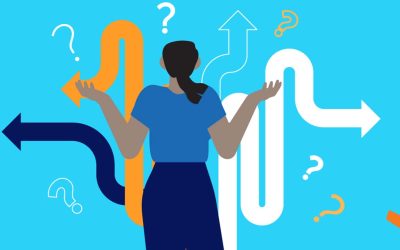
Experiencing stressors from multiple angles can feel overwhelming. Your current season of life may require you to take on multiple roles simultaneously, leading to a constant sense of pressure. It can seem impossible to manage being a parent, spouse, employee, chauffeur, friend, volunteer, caregiver to aging parents, and more all at the same time.
You might have very little time in the day to accomplish required tasks, let alone make time for yourself. How is one person supposed to manage all of this without becoming dysregulated?
Understanding “Rest and Digest”
The good news is that there are simple ways to help regulate the nervous system. The parasympathetic system, also known as “rest and digest,” helps the body calm down and feel safe so it can function at its best.
In fight or flight, the brain tells the body it is unsafe and activates survival mode. Through “bottoms-up” exercises, we can use the body to send signals back to the brain that we are safe, activating rest and digest.
You may be thinking, “I don’t have time for more exercises.” Most of these techniques take only a few minutes. Some can even be done while completing other tasks. Prioritizing nervous system regulation helps you feel and function better in all areas of life. A regulated nervous system may improve focus, patience, energy, sleep, interpersonal interactions, mood, and overall health.
Simple Nervous System Regulation Exercises
Sour Candy
One of the easiest bottoms-up approaches is eating sour candy. This can be especially helpful during intense dysregulation or even panic attacks. The sour flavor is intense and redirects attention to the sense of taste. Sucking on sour candy also increases salivation, which activates rest and digest.
Hard candy is ideal because it lasts longer. If sour is not appealing, try a Jolly Rancher or even a mint. Gum is not recommended because it loses flavor quickly.
Throat Vibration
Humming, singing, and gargling water create vibration in the throat, which stimulates the vagus nerve. The vagus nerve is a major communication pathway between the brain, heart, lungs, and digestive organs. Stimulating it helps activate rest and digest.
Try humming a drawn-out sound such as “mmm,” “omm,” or “bzzz.”
Breathing Exercises
Ladder breathing helps lower heart rate. Slowly take four consistent inhales, hold for two to three seconds, then take one long exhale. Imagine each inhale as climbing a ladder and the exhale as sliding down.
Diaphragmatic breathing promotes deeper breathing, increases oxygen intake, and stimulates the vagus nerve. Clasp your hands behind the base of your head and lean back slightly. You may feel your chest open and a gentle pull in your belly. Take a slow, deep breath in and hold for two to three seconds. Then take a slow, deep breath out and pause for two to three seconds. Repeat several times. You should feel the movement in your belly, not just your chest.
Physical Exertion
Movement is a healthy way to release built-up emotional energy and is often described as a natural antidepressant. Physical exertion helps the body process stress hormones released during fight or flight while stimulating the release of endorphins, dopamine, and serotonin.
Walking, running, stretching, yoga, push-ups, and weight training (even light weights) can all be effective. For a more intense release, try exercises that involve pushing or pulling movements.
Start Small
Try incorporating one or more of these exercises into your day, even for five minutes. Small, consistent efforts can support a more regulated nervous system and improve overall well-being.
Your mind, body, and spirit will thank you.